
Cabinet Installation: What to Expect Step by Step

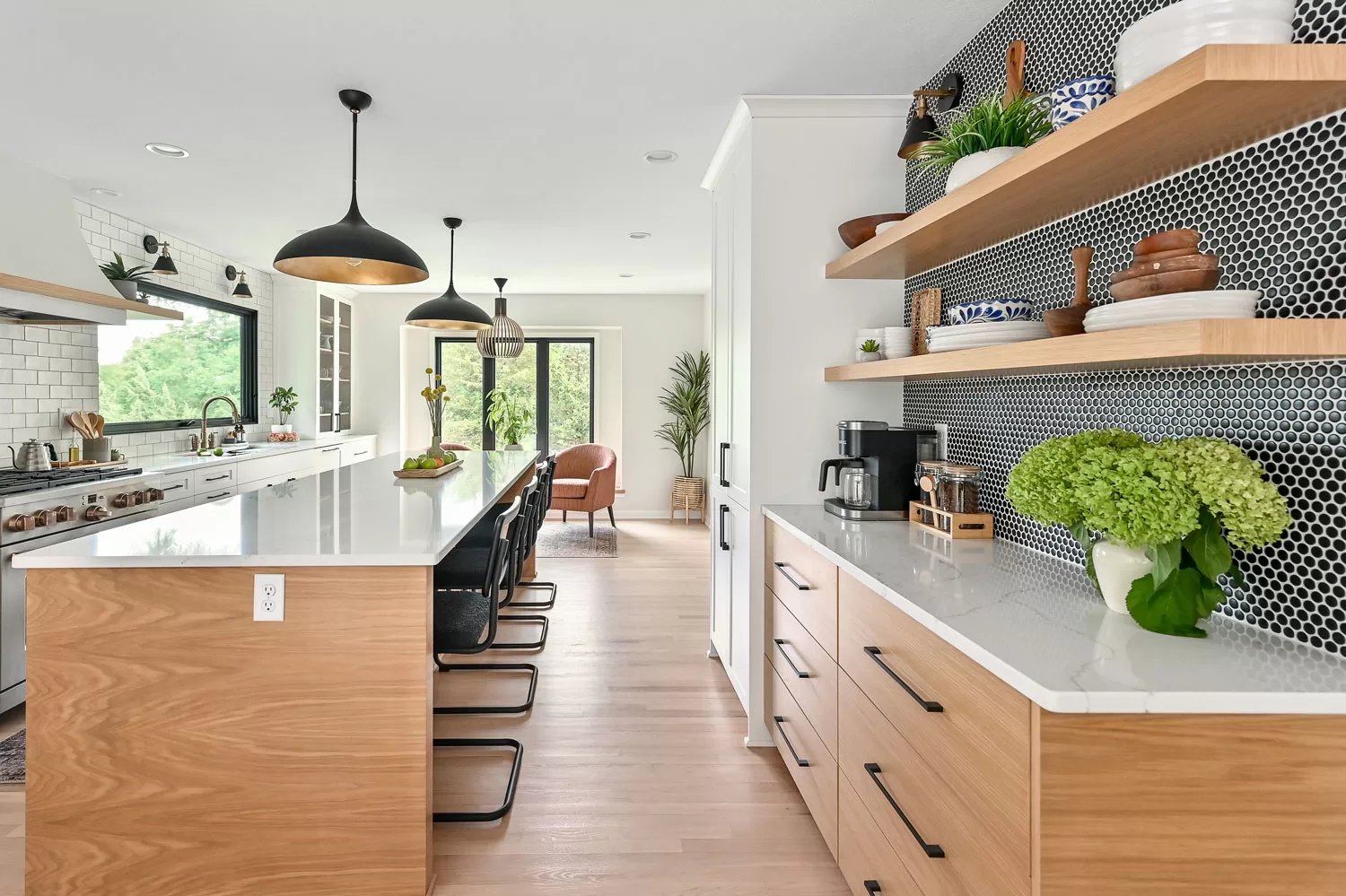
A smooth Cabinet Installation follows a clear sequence. Pros use tight measurements, steady leveling, and clean finishing to get strong, straight, long-lasting results. This step-by-step guide reflects seasoned cabinet shop practices—kept simple, clear, and ready for action.
Cabinet Installation: What Happens Before Day One
Pro projects win or lose in the prep phase.
- Measure twice, confirm once. Room length, ceiling height, window and door locations, and appliance sizes (with doors and handles).
- Layout check. Sink centered on window (if planned), range and hood clearances, fridge space with venting.
- Delivery inspection. Open every box. Confirm door style, finish, hinge type, shelves, fillers, panels, toe kicks, and hardware. Note defects now, not mid-install.
- Acclimate. Keep boxes flat in a dry room for 24–48 hours so materials adjust to temperature and humidity.
Expert tip: Label each box by its final location (e.g., “B24—Left of Range”). This cuts install time and errors.
Remodeling Kitchen Cabinets: Plan for Services and Safety
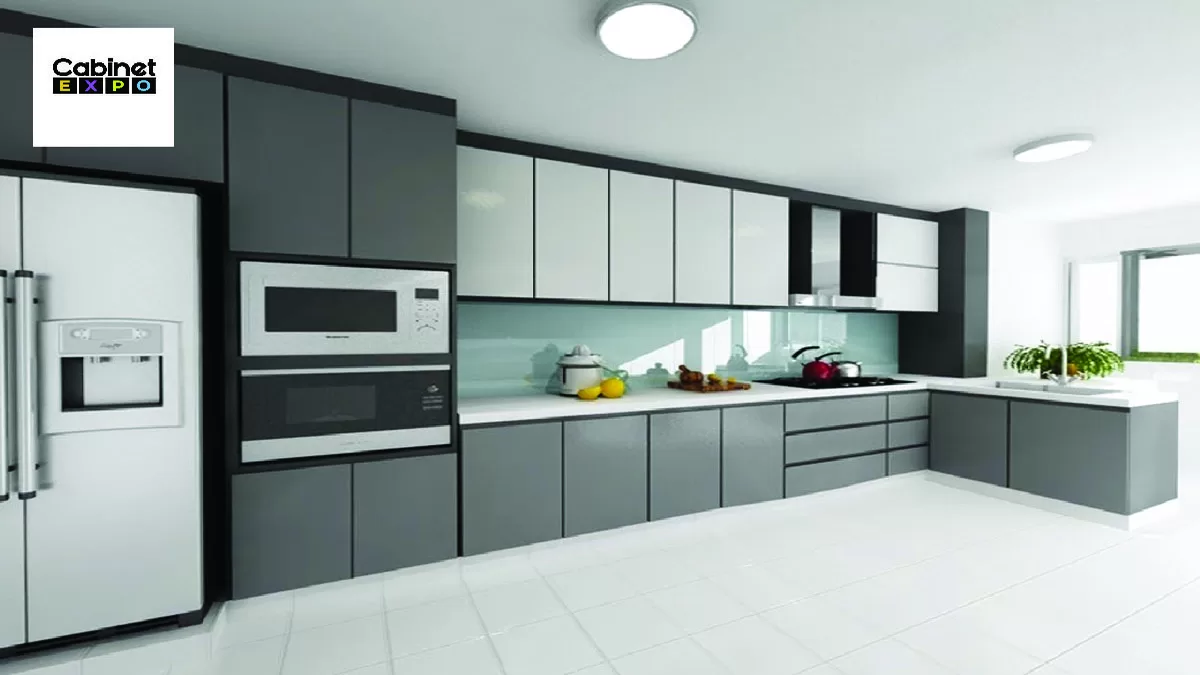
When remodeling kitchen cabinets, plan the “behind-the-wall” details first.
- Power and water off at work zones. Cap lines; label wires.
- Stud map. Use painter’s tape to mark studs, plumbing, and wires on the wall surface.
- Code checks. Hood vent size and height, GFCI outlets near water, and clearances around gas lines.
- Site protection. Cover floors, doorways, and nearby rooms. Keep a safe path for family and pets.
Expert tip: Snap photos of open walls after rough-in. Future you will “see” every line without opening drywall.
Prep the Space: Clean, Protect, and Mark
- Remove old cabinets and patch wall damage. Scrape high spots; fill low spots.
- Flat and plumb check. A long level or laser shows bows in studs and dips in floors. Small flaws can be shimmed; big ones should be fixed before install.
- Reference lines. Snap a level line for the top of base cabinets and another for the bottom of wall cabinets. These lines guide the whole job.
- Dry-fit appliances in their openings to confirm real-world clearances.
Set the Base Line: Start Straight to Finish Straight
- Find the highest point of the floor. Use this to mark the top line for base cabinets.
- Shim plan. Pre-place shims where the floor dips so cabinet tops track the level line.
- Square corners. Check 90° at the key corner. Out-of-square corners cause crooked countertops.
Expert tolerance: Aim for level and plumb within 1/16″ over 6 feet. Small errors grow as boxes connect.
Hang Wall (Upper) Cabinets First
Pros install uppers first to keep base cabinets safe.
- Ledger board. Screw a straight board to the wall at the bottom height of the uppers. It holds weight while you anchor.
- Start point. Begin at a corner or a fixed element (window, tall pantry).
- Level, plumb, clamp, connect. Check each cabinet, clamp frames, then tie boxes together before anchoring to studs.
- Fasteners. Use cabinet screws into studs through solid points (rails).
- Remove ledger once all uppers are secure.
Expert tip: Set face frames flush at every seam before you drive the studs screws. Tight seams = custom look.
Install Base Cabinets Next
- Corner or sink base first. These set the visual line.
- Shim to the level line. Re-check plumb and square front-to-back.
- Connect and anchor. Clamp frames, screw boxes together, then secure to studs.
- Appliance gaps. Confirm openings for range, dishwasher, and fridge. Measure with doors considered.
Expert tolerance: Keep front edges on a straight line so countertops sit flat with even overhangs.
Fit Fillers, Panels, and Toe Kicks
- Scribe fillers. Trim to match wall waves for tight, shadow-free seams.
- End panels. Add panels to exposed sides to match doors and hide box edges.
- Toe kicks. Install after bases are set and protected; keep seams centered and clean.
Pro finish: Caulk tiny wall gaps with a fine bead; wipe lines crisp for a built-in look.
Doors, Drawers, and Hardware
- Set doors and drawers after boxes are locked.
- Adjust hinges for even gaps (“reveals”) around each door.
- Drill hardware with a template; use tape to protect finishes.
- Test soft-close glides and tweak until movement is smooth.
Expert tip: Align hardware height across a wall before drilling the first hole. Consistency reads “luxury.”
Countertops, Sink, and Backsplash
- Template counters only after bases are final and level.
- Support spans per fabricator’s rules (overhangs, dishwashers, and sinks).
- Install sink and faucet, connect shutoffs, and test.
- Backsplash after counters cure, then seal edges and corners.
Sequence that works: floors → cabinets → countertop template → counters → backsplash → paint touch-ups and trim.
Final Checks and Clean Up
- Level and secure. No wobble; all anchors in studs.
- Even reveals. Doors and drawer gaps look uniform.
- Accessories in place. Shelves, clips, cover caps, and end panels.
- Touch-ups. Caulk fine gaps; color-stick tiny nicks.
- Clean site. Vacuum dust, remove films, and wipe surfaces.
Punch list: Keep a short list for hinge tweaks, replacement parts, or finish touch-ups before sign-off.
Quick Tips for a Smooth Cabinet Installation
- Bag and label small parts by cabinet.
- Use painter’s tape to mark stud centers, appliance centers, and heights.
- Protect faces with removable film during the build.
- Keep a shim kit (hardwood and composite) for fine adjustments.
- Confirm range hood height and dishwasher rough-opening before closing walls.
Conclusion: Cabinet Installation Done Right
Clear prep, accurate lines, and solid fastening deliver a straight, quiet, long-lasting kitchen. With smart planning for remodeling kitchen cabinets, drawers glide, doors line up, appliances fit, and counters sit flat. Follow the sequence, hold pro tolerances, and expect a finish that looks custom and works hard every day.
FAQs
Q1. How long does cabinet installation take?
Small kitchens: 1–2 days. Larger or custom builds: 3–5 days, plus separate time for counters and backsplash.
Q2. Should wall cabinets be installed before base cabinets?
Yes. Uppers first protect base cabinets and make leveling easier.
Q3. What screws are best to secure cabinets to studs?
Cabinet or structural wood screws, typically #10–#12, sized to penetrate studs securely.
Q4. How much space is needed for appliances?
Follow maker specs. Leave room for door swing, ventilation, and service access.
Q5. What is the right project order for remodeling kitchen cabinets?
Rough-in and walls, flooring, Cabinet Installation, countertop template, counters, backsplash, then paint and trim.